
Starting a business comes with many decisions, but one of the most important is choosing the right legal structure. Among the most popular options for small and medium-sized businesses is the Limited Liability Company, commonly known as an LLC.
Many entrepreneurs hear the term LLC early in their journey but do not fully understand what it means, how it works, or whether it is the right choice for their business. Some assume it is only for large companies, while others think it is mandatory. In reality, an LLC is simply one of several legal structures designed to help business owners separate personal and business liability.
Choosing the right structure can affect taxes, legal protection, fundraising ability, and long-term scalability. For businesses that plan to grow, work internationally, or eventually undergo financial review, having structured records supported by an auditing service can also become important in maintaining transparency and compliance.
This guide explains what an LLC is, how it works, its advantages and disadvantages, and whether it is the right choice for your business.
What Is an LLC?
An LLC, or Limited Liability Company, is a legal business structure that separates the owner’s personal assets from the business’s liabilities.
This means that if the business faces debts, lawsuits, or financial losses, the owner’s personal assets such as personal savings or property are generally protected.
In simple terms, an LLC creates a legal boundary between you and your business.
It is often considered a hybrid structure because it combines elements of both corporations and sole proprietorships.
Like a corporation, it provides liability protection. Like a sole proprietorship or partnership, it offers flexibility in management and taxation.
How an LLC Works
An LLC is formed by registering your business with the relevant government authority in your jurisdiction.
Once formed, the business becomes a separate legal entity.
This means the LLC can own assets, sign contracts, open bank accounts, and conduct business independently of its owners.
Owners of an LLC are usually referred to as members.
Depending on the structure, an LLC can have one member or multiple members.
The management structure is flexible, allowing members to manage the business directly or appoint managers.
This flexibility is one of the key reasons why LLCs are popular among small business owners and startups.
Key Benefits of an LLC
One of the biggest advantages of an LLC is limited liability protection.
This protects personal assets from business-related risks, which is especially important in industries with financial or legal exposure.
Another major benefit is flexibility in taxation.
In many jurisdictions, LLCs can choose how they are taxed, either as a sole proprietorship, partnership, or corporation.
This allows business owners to optimize their tax structure based on their financial situation.
LLCs also offer operational flexibility. They are easier to manage compared to corporations, which often require strict governance structures and formal meetings.
Finally, LLCs provide credibility. Having a registered business entity often increases trust with clients, suppliers, and financial institutions.
Potential Drawbacks of an LLC
While LLCs offer many benefits, they are not perfect for every business.
One potential drawback is administrative requirements.
Depending on the jurisdiction, LLCs may need to file annual reports, maintain records, and comply with regulatory obligations.
Another limitation is that LLCs may not be ideal for attracting large-scale investors.
Some investors prefer corporate structures that allow issuing shares.
Tax treatment can also vary, and in some cases, LLC owners may face self-employment taxes that are higher than expected.
Finally, compliance requirements can increase as the business grows, especially if the company undergoes financial review or requires professional oversight such as an auditing service to ensure accurate reporting and regulatory compliance.
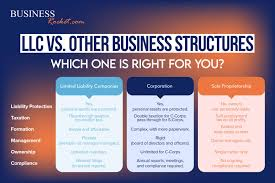
LLC vs Sole Proprietorship
A sole proprietorship is the simplest business structure, where the business and owner are legally the same entity.
This makes it easy to start but offers no liability protection.
An LLC, on the other hand, creates a separate legal entity, protecting personal assets.
While sole proprietorships are simpler, LLCs provide greater security and professionalism.
For businesses with growth potential or financial risk exposure, an LLC is usually the better choice.
LLC vs Corporation
Corporations are more complex legal structures designed for larger businesses.
They offer strong liability protection and are suitable for raising capital through shareholders.
However, corporations come with more regulations, stricter reporting requirements, and higher administrative costs.
LLCs offer more flexibility and are easier to manage, especially for small and medium-sized businesses.
Choosing between the two depends on your long-term goals, funding strategy, and operational complexity.
Taxation of an LLC
One of the most attractive features of an LLC is flexible taxation.
In many cases, LLCs are treated as pass-through entities, meaning profits are taxed at the owner’s personal tax rate rather than at the corporate level.
However, LLCs can also choose alternative tax classifications depending on what is most beneficial.
This flexibility allows business owners to optimize their tax burden legally.
Proper financial management and reporting are essential to ensure compliance with tax regulations, especially as revenue grows and financial oversight becomes more detailed.
When Should You Form an LLC?
Forming an LLC is typically recommended when your business starts generating consistent income or when you begin facing financial or legal risks.
If you are working with clients, handling contracts, or selling products, an LLC can provide valuable protection.
It is also useful when you want to separate personal and business finances clearly.
Businesses planning to scale or operate internationally often form an LLC early to establish credibility.
In some cases, businesses that require financial transparency or plan to undergo formal review processes benefit from structured reporting systems supported by an auditing service to ensure accuracy and compliance.
Common Misconceptions About LLCs
One common misconception is that an LLC eliminates all liability.
While it provides protection, it does not protect against fraud, negligence, or personal guarantees in all cases.
Another misconception is that LLCs are only for large businesses.
In reality, many small businesses and freelancers use LLCs to structure their operations professionally.
Some also believe that LLCs are expensive to maintain, but in many jurisdictions, they are relatively affordable compared to corporations.
Finally, some assume that forming an LLC automatically saves taxes, which is not always true. Tax outcomes depend on how the business is structured and managed.
How to Maintain an LLC Properly
Maintaining an LLC requires ongoing compliance.
This may include filing annual reports, keeping financial records, and maintaining separate business accounts.
Proper documentation is essential for legal protection.
Mixing personal and business finances can weaken liability protection and create accounting issues.
As the business grows, financial transparency becomes even more important, especially if the company requires external verification or professional oversight such as an auditing service to validate financial statements and ensure compliance with regulatory standards.
Is an LLC Right for Your Business?
The decision to form an LLC depends on your business goals, risk level, and growth plans.
If you are running a low-risk hobby or small freelance activity, an LLC may not be immediately necessary.
However, if you are dealing with clients, contracts, inventory, or significant revenue, an LLC can provide important protection and credibility.
For businesses with long-term growth ambitions, forming an LLC is often a strategic decision that supports scalability and professionalism.
Conclusion
An LLC is one of the most flexible and widely used business structures available today. It offers liability protection, tax flexibility, and operational simplicity, making it an attractive option for entrepreneurs at many stages of business development.
However, it is not a one-size-fits-all solution. Understanding your business needs, financial risks, and long-term goals is essential before making a decision.
As businesses grow, financial transparency and accountability become increasingly important. In such cases, structured reporting and oversight supported by an auditing service can help ensure compliance and build trust with stakeholders.
Ultimately, forming an LLC is not just a legal step. It is a strategic decision that can shape the future stability and growth of your business.
FAQs
What is an LLC in simple terms?
An LLC is a legal business structure that separates your personal assets from your business liabilities.
Does an LLC protect personal assets?
Yes, in most cases it protects personal assets from business debts and legal claims, although there are exceptions.
Is an LLC better than a sole proprietorship?
An LLC offers more protection and professionalism, while a sole proprietorship is simpler but riskier.
Do LLCs pay taxes?
Yes, LLCs pay taxes, but they often have flexible tax structures depending on the jurisdiction.
Can a single person form an LLC?
Yes, many LLCs are owned by a single individual known as a single-member LLC.
Is an LLC required for small businesses?
No, but it is often recommended for businesses with financial risk or growth plans.
What is an auditing service in business?
An auditing service reviews financial records to ensure accuracy, compliance, and transparency in business reporting.
You should also read: TechAiTech