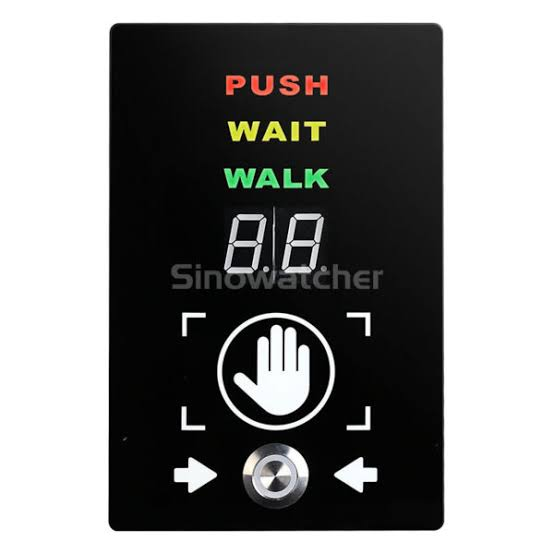

In today’s fast-paced world, hygiene, convenience, and technology are becoming increasingly important in both public and private spaces. One innovation that perfectly combines these elements is the contactless push button. Designed to operate without physical touch, these devices are transforming how people interact with doors, access systems, elevators, and other automated equipment.
A contactless push button uses infrared, microwave, or proximity-sensing technology to detect the presence of a hand or object within a specific range. Instead of pressing a traditional mechanical button, users simply wave their hand in front of the sensor to activate the device. This touch-free operation reduces physical contact and creates a cleaner, safer environment.
One of the most significant advantages of contactless push buttons is improved hygiene. Traditional buttons can become breeding grounds for bacteria and viruses because they are touched by countless individuals throughout the day. In hospitals, schools, airports, shopping centers, and office buildings, reducing shared contact points is essential. Contactless technology minimizes the risk of contamination and helps maintain healthier public spaces.
Convenience is another major benefit. Users can activate doors or systems even when their hands are full, gloved, or occupied. This feature is especially useful in healthcare facilities, food-processing plants, and industrial environments where maintaining cleanliness and efficiency is critical. A simple hand wave can trigger door access, making movement smoother and more efficient.
Modern contactless push buttons are designed with durability in mind. Since there are no moving mechanical parts that experience wear and tear from repeated pressing, these devices often have a longer lifespan than traditional buttons. This reduces maintenance requirements and lowers long-term operational costs for building owners and facility managers.
Energy efficiency is also a key consideration. Many contactless push buttons consume very little power and can easily integrate with automated door systems, security networks, and smart building technologies. Their compatibility with modern infrastructure makes them an attractive choice for organizations looking to upgrade their facilities.
The applications of contactless push buttons continue to expand. In healthcare settings, they help prevent the spread of infections. In commercial buildings, they improve user experience and accessibility. In transportation hubs, they support smoother passenger movement. Even residential properties are adopting touch-free access solutions as homeowners seek greater convenience and modern functionality.
From a design perspective, contactless push buttons are available in a variety of styles, sizes, and finishes. Many models feature LED indicators that provide visual feedback when the sensor is activated. This enhances user confidence and ensures reliable operation in different lighting conditions.
As smart buildings and automated systems become more common, the demand for touch-free technologies is expected to grow. Contactless push buttons represent a practical and forward-thinking solution that addresses both hygiene concerns and operational efficiency. Their ability to provide safe, convenient, and reliable access makes them a valuable addition to modern environments.
In conclusion, contactless push buttons are more than just a technological upgrade; they are an important step toward creating cleaner, smarter, and more user-friendly spaces. As businesses and institutions continue to prioritize safety and innovation, contactless solutions will play an increasingly vital role in everyday life.