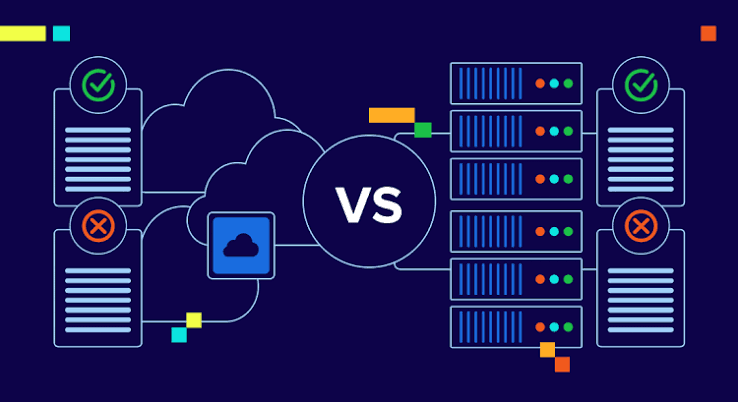

Choosing the right hosting environment can have a major impact on the performance, flexibility, and reliability of a digital project. As cryptocurrency-related applications continue to grow, developers and businesses often consider specialized hosting options alongside traditional virtual private servers. Two commonly discussed choices are Crypto VPS and traditional VPS hosting.
Although both solutions use virtualized server technology, they can differ in their intended use, provider features, infrastructure options, and suitability for particular workloads. Understanding these differences can help project owners select a hosting environment that matches their technical requirements.
What Is a Crypto VPS?
A Crypto VPS is a virtual private server marketed toward cryptocurrency and blockchain-related users and applications. Like a standard VPS, it provides virtualized CPU, RAM, storage, bandwidth, and an operating system within a controlled server environment.
The term “Crypto VPS” does not necessarily describe a completely different virtualization technology. In many cases, it refers to a VPS service positioned for cryptocurrency-related workloads. Providers may offer configurations, server locations, security options, or support features that appeal to users working with digital asset applications, blockchain projects, development tools, and related services.
The actual quality of a Crypto VPS depends on the underlying infrastructure and hosting provider.
What Is a Traditional VPS?
A traditional VPS is a general-purpose virtual server designed to host many different types of applications. Websites, e-commerce stores, business applications, databases, development environments, APIs, and content management systems can all operate on VPS infrastructure.
Traditional VPS hosting generally provides allocated resources and administrative access. Users can install software, configure services, manage applications, and customize the server according to their needs.
Unlike a specialized Crypto VPS offering, a standard VPS is not specifically marketed toward cryptocurrency projects. However, that does not mean it cannot support legitimate cryptocurrency-related applications.
Intended Use and Workload
One of the primary differences between the two options is their intended audience.
A Crypto VPS is generally promoted toward cryptocurrency users and developers who want hosting suitable for crypto-related projects. Providers may highlight features such as strong network connectivity, flexible configurations, security controls, or locations that appeal to international digital projects.
Traditional VPS hosting is broader. It is designed to accommodate many different workloads without focusing on a particular industry.
For a cryptocurrency developer, a Crypto VPS may therefore offer a more targeted hosting experience. For a business running a variety of unrelated applications, a traditional VPS may provide all the necessary functionality without specialized positioning.
Performance and Resources
Both types of VPS can provide dedicated virtual resources. CPU cores, RAM, storage, and bandwidth determine much of the actual server performance.
The label “Crypto VPS” does not automatically guarantee better performance than a traditional VPS. A well-configured standard VPS can outperform a poorly configured specialized VPS.
When comparing providers, users should look beyond the product name. They should examine processor specifications, available RAM, storage technology, network capacity, uptime history, and resource allocation policies.
For demanding applications, NVMe storage and sufficient RAM may be particularly useful. The appropriate configuration ultimately depends on the workload rather than the hosting label.
Security and Server Management
Security is important for both traditional and cryptocurrency-focused hosting. A VPS gives administrators greater control over server-level security compared with many shared hosting environments.
A Crypto VPS may be marketed with security features designed to appeal to cryptocurrency projects. These could include firewall configuration, monitoring, backup options, secure remote access, and additional server management services.
However, users should not assume that a specialized VPS is automatically secure. Server security still depends heavily on configuration and maintenance.
Administrators should keep operating systems and applications updated, use strong authentication, restrict unnecessary services, maintain backups, and monitor unusual activity. Application-level security is equally important.
Scalability
Both traditional VPS and Crypto VPS hosting can support growing projects when the provider allows resources to be upgraded.
A small application may begin with modest CPU and memory requirements. As traffic and workload increase, the project may need additional resources.
A scalable Crypto VPS can allow users to upgrade CPU, RAM, storage, or bandwidth without completely rebuilding their hosting environment. Traditional VPS providers may offer similar upgrade options.
Therefore, scalability is not necessarily a unique advantage of Crypto VPS hosting. The important factor is whether the specific provider offers flexible plans and straightforward upgrades.
Server Locations and Connectivity
Server location can affect latency, connectivity, and the overall experience of users accessing an application.
Some Crypto VPS providers offer data centers in regions commonly used by international digital projects. Traditional VPS providers may offer an even broader range of locations because they serve a wider variety of customers.
When choosing between the two, users should consider where their primary audience is located and which external services their application communicates with. Reliable network connectivity can be more important than simply selecting a provider because it uses the “Crypto VPS” label.
Software and Configuration Flexibility
Both hosting models can provide substantial software flexibility compared with shared hosting.
With a Crypto VPS, users can generally install operating system packages, web servers, databases, development frameworks, monitoring tools, and other required software, depending on provider policies.
Traditional VPS hosting offers similar flexibility. Developers can create customized environments for websites, APIs, applications, testing systems, and databases.
The main difference may therefore be the provider’s acceptable-use policy and technical support rather than the virtualization technology itself.
Pricing Differences
Pricing varies significantly between providers. A Crypto VPS may cost more or less than a traditional VPS with similar specifications.
Users should compare the actual resources included in each plan rather than choosing based solely on branding. CPU allocation, RAM, storage, bandwidth, backup availability, support, server location, and management services can all influence the total cost.
A lower-priced server may not necessarily provide better value if it has limited resources or poor network performance.
Customer Support
Customer support can be especially important when running a business-critical application. A provider that understands the technical requirements of cryptocurrency-related projects may be useful for developers who need specialized assistance.
Some Crypto VPS companies position themselves specifically around blockchain and cryptocurrency customers. Traditional VPS companies may provide broader technical support covering many application types.
Before selecting a provider, users should review support availability, response times, documentation, and the level of assistance included with the plan.
Which Option Should You Choose?
The right choice depends on the project’s specific requirements.
A Crypto VPS can be a good option for users who want a hosting provider that specifically targets cryptocurrency-related workloads and offers appropriate infrastructure, configurations, and support.
A traditional VPS can be equally suitable when the project simply requires reliable virtual server resources without specialized cryptocurrency-focused services.
The most important factors are server performance, security, scalability, network quality, storage, technical support, pricing, and provider reputation.
Final Thoughts
The difference between Crypto VPS and traditional VPS hosting is often more about positioning, target workloads, and provider-specific features than fundamental virtualization technology. Both can offer virtualized resources, administrative control, scalability, and flexible configurations.
For cryptocurrency-related applications, choosing a Crypto VPS may provide a more specialized hosting experience. However, users should evaluate the actual infrastructure rather than relying on the name alone.
By comparing resources, network performance, security features, scalability, support, and pricing, developers and businesses can select the VPS environment that best fits their project’s current requirements and future growth.