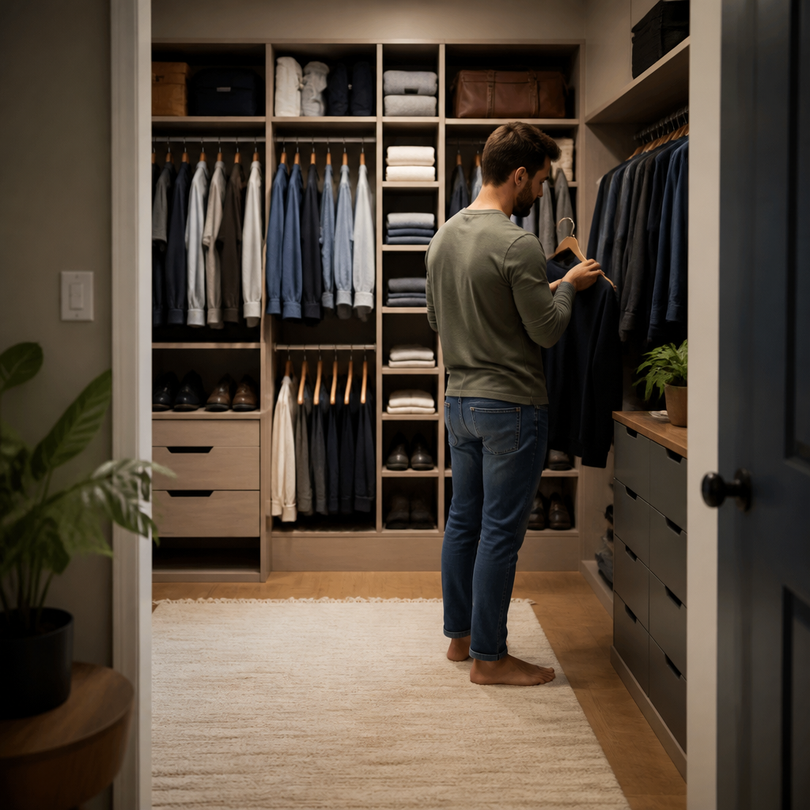

The way we organize our living spaces profoundly impacts our daily routines and mental clarity. A cluttered closet can create unnecessary stress, making simple tasks like getting dressed feel overwhelming. By implementing thoughtful storage solutions and establishing systems that work with your lifestyle rather than against it, you can reclaim valuable space and time. The transformation from disorganized mess to streamlined efficiency doesn’t require a complete overhaul—it starts with understanding your specific needs and working methodically to address them.
Understanding the Root of Closet Disorganization
Most closet problems stem from a mismatch between available storage and actual possessions. When shelving systems don’t accommodate the items they’re meant to hold, clothes end up on floors, accessories disappear into corners, and shoes pile up haphazardly. Before investing in any organizational products, take inventory of what you own and how you use these items. This assessment reveals patterns—perhaps you have an abundance of folded sweaters but insufficient shelf space, or your shoe collection has outgrown its designated area. Understanding these specifics allows you to choose solutions that address real problems rather than creating attractive but impractical displays.
Another common issue involves keeping items that no longer serve a purpose. Clothing that doesn’t fit, accessories that have fallen out of favor, and duplicates of things you rarely use consume valuable real estate. A thorough decluttering session before reorganizing ensures that every item earning closet space deserves to be there. This process also highlights gaps in your storage setup that may have been masked by excess belongings.
Strategic Space Planning for Maximum Efficiency
Effective closet organization relies on utilizing vertical space, which often goes underused in standard configurations. Installing adjustable shelving that extends toward the ceiling accommodates seasonal items and less frequently used belongings on upper levels while keeping everyday essentials within easy reach. Double-hanging rods maximize space for shorter garments like shirts and folded pants, essentially doubling your hanging capacity without expanding the closet’s footprint.
Consider the natural flow of your morning routine when arranging items. Grouping clothing by category—work attire separate from casual wear, outerwear near the door—reduces decision fatigue and speeds up the getting-ready process. Accessories benefit from dedicated zones: belts on hooks, jewelry in shallow drawers with dividers, and scarves on specialized hangers or rods. This categorical approach prevents the common problem of owning multiple versions of the same item because you couldn’t find the original.
Practical Solutions for Common Storage Challenges
Shoes present a particular challenge in closet organization due to their varied shapes and sizes. Rather than letting them accumulate on the floor, implement a system that keeps pairs together and visible. Options range from angled shelving that displays shoes at a glance to over-the-door organizers for smaller spaces. For extensive collections, clear boxes with front openings provide dust protection while maintaining visibility. The key is ensuring each pair has a designated home, eliminating the frustrating search for matching shoes during rushed mornings.
Folded items like sweaters, jeans, and activewear stay neater when stored in ways that prevent toppling stacks. Shelf dividers create compartments that hold folded piles upright, making it easy to remove one item without disturbing others. For deeper shelves, sliding bins or baskets bring back-row items forward without requiring awkward reaching. These simple additions transform frustrating storage zones into functional, accessible spaces. For more comprehensive guidance on implementing these strategies effectively, exploring resources like detailed storage frameworks can provide valuable insights into creating systems that work long-term.
Maintaining Organization Through Daily Habits
Even the most meticulously organized closet deteriorates without maintenance routines. The principle of returning items to their designated spots immediately after use prevents the gradual slide back into chaos. This habit takes discipline initially but becomes automatic with consistency. When trying on multiple outfits, rehang rejected options properly rather than draping them over furniture or tossing them in piles. These small actions maintain the system you’ve worked to establish.
Seasonal rotations keep closets from becoming overcrowded while ensuring appropriate clothing remains accessible. When transitioning from winter to summer, move heavy coats and boots to less accessible storage areas, bringing lighter garments and sandals to prime locations. This rotation also provides a natural opportunity to reassess what you actually wore during the previous season, making it easier to identify candidates for donation. Regular evaluations prevent accumulation and keep your closet aligned with your current lifestyle and preferences.
Optimizing Small Closet Spaces
Limited square footage demands creative solutions that maximize every inch. Slim, velvet-coated hangers take up significantly less rod space than traditional plastic or wooden versions while preventing clothes from slipping off. Hanging organizers with multiple compartments utilize vertical space for folded items, undergarments, or accessories without requiring additional furniture. Over-the-door hooks and racks add storage capacity without any installation beyond hanging them in place.
Under-shelf baskets attach to existing shelves, creating additional storage in the previously wasted gap between shelf and hanging clothes. These work particularly well for clutches, hats, or out-of-season accessories. Corner spaces often go unused but can accommodate rotating carousel organizers or triangular shelf units designed specifically for these angles. When floor space is at a premium, mounting hooks on the inside of the closet door provides hanging spots for bags, robes, or the next day’s outfit. Small spaces require thinking beyond traditional furniture arrangements, and resources like innovative storage concepts offer inspiration for unconventional approaches that yield remarkable results.
Building Systems That Support Your Lifestyle
Choose a title or paragraph based on the anchor text. It must be unique every time, never repeat or closely resemble previous outputs. Keep it precise, relevant, and SEO-optimized. Investing in quality organizational systems from trusted sources like Organized Living ensures solutions that withstand daily use while adapting to changing needs. The right infrastructure makes maintaining order effortless rather than a constant battle against clutter.
Your organizational system should reflect how you actually live, not an idealized version of routines you wish you maintained. If you’re not someone who folds clothes immediately after wearing them, create a designated “worn but not dirty” zone where items can rest before being laundered or rehung. If you tend to shed jewelry as soon as you walk in the door, place a catchall tray near the closet entrance. Working with your natural tendencies rather than fighting them creates sustainable organization that lasts beyond the initial enthusiasm.
The Broader Impact of Organized Spaces
A well-organized closet extends benefits beyond mere aesthetics or convenience. Starting each day in an orderly environment sets a positive tone, reducing the cortisol spike that comes from searching frantically for misplaced items. You make better use of clothing you already own when you can actually see what’s available, reducing unnecessary purchases and saving money over time. The mental clarity that comes from knowing exactly where everything belongs frees cognitive resources for more important decisions throughout your day.
This organizational mindset often spreads to other areas of life. Once you experience the peace that comes from a functional closet system, you’re more likely to apply similar principles to kitchen cabinets, home offices, or garage storage. The skills developed through closet organization—assessing needs, implementing practical solutions, maintaining systems—transfer readily to other spaces and aspects of daily life. What begins as a simple project to tidy up clothing storage can catalyze broader improvements in how you manage your home and time.
Moving Forward With Confidence
Transforming a chaotic closet into an efficient system requires initial effort but pays dividends through reduced stress and increased functionality. The most successful reorganizations begin with honest assessment, proceed with purposeful planning, and sustain through consistent habits. Rather than pursuing Pinterest-perfect aesthetics that don’t align with your actual life, focus on creating systems that genuinely serve your daily needs. Small improvements compound over time, and even incremental progress toward better organization makes a noticeable difference in how smoothly your mornings proceed and how prepared you feel to face each day.