Renting a dumpster can make a messy project much easier, but choosing the right container takes a little planning. The right rental should fit your debris, material type, available space, and project.
Whether you are cleaning out a garage, moving, remodeling, or handling construction debris, a few decisions can help prevent wasted space and loading headaches.
Two Brothers Dumpsters offers dumpster rental options that can help customers match a container to the demands of their cleanup.
1. Estimate the Amount of Debris Before You Book
A better dumpster choice starts with planning before delivery day. Walk through the area you plan to clean and identify the largest items first.
Furniture, cabinets, flooring, drywall, boxes, and renovation debris all take up space differently. A room full of lightweight household clutter may occupy more volume than a compact pile of heavier construction material.
Consider what will happen once items are broken down or removed from cabinets and closets. Projects often create more debris than expected once work begins.
When in doubt, describe the project clearly to the rental provider. Explaining what you are removing is often more useful than guessing how many truckloads you have.
2. Match the Dumpster Size to the Job
Dumpster sizes are usually measured in cubic yards. That measurement describes volume, not weight.
Smaller containers can work well for modest cleanouts and renovation jobs. Larger dumpsters may be a better fit for whole-home cleanouts, extensive remodeling, construction, or projects involving bulky materials.
A larger container can reduce the chance of needing another haul when a project produces more waste than expected. However, oversized dumpsters are not automatically better. The goal is enough capacity without paying for a large amount of unused space.
For substantial cleanouts or construction projects, a 30 Yards in tulsa option may provide the volume needed for larger quantities of debris and bulky materials.
3. Think About Weight, Not Just Space
One overlooked part of dumpster rental is weight. A container can appear only partially full and still become very heavy.
Materials such as shingles, concrete, brick, dirt, and tile can add significant weight quickly. Household junk, cardboard, and furniture usually fill space differently because much of their volume is air.
Two projects using the same dumpster size can have very different loading requirements.
Before loading unusually heavy materials, check what is permitted and whether special rules apply. Some materials may require separate disposal or limits on how much can be loaded.
Thinking about weight early helps prevent overloading and makes it easier to choose a container suited to the project.
4. Prepare the Delivery Area Ahead of Time
Dumpster delivery requires more room than the container itself.
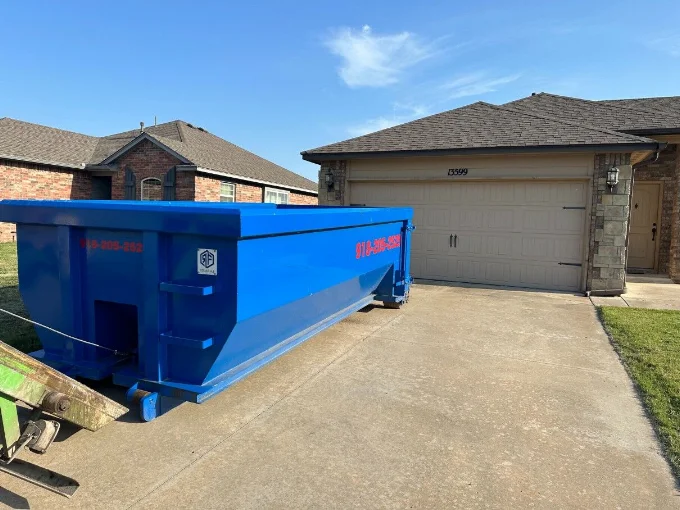
Choose a level, accessible location where the delivery truck can safely place and later retrieve the dumpster. Residential driveways are common, but placement should make sense for the property and the work being done.
Look for overhead obstacles such as tree limbs, utility lines, or low structures. Move vehicles, trailers, tools, and other objects out of the approach path.
Think about how you will use the dumpster after it arrives. If it has a walk-in door, leaving enough room to open it can make loading bulky items easier.
Good placement can save time throughout the rental. A dumpster close to the work area can reduce carrying while still keeping entrances, parking areas, and work zones accessible.
5. Load the Dumpster With a Simple Strategy
Throwing everything into a dumpster randomly may seem fastest, but a little organization can make better use of the available space.
Break down large boxes, dismantle bulky furniture when practical, and place flatter materials where they will not create empty pockets. Spread debris across the container instead of piling everything on one side.
Keep heavier material low and distribute weight evenly. Avoid allowing debris to extend above the container’s fill line.
It also helps to load in stages. Start with large items that are difficult to position, then use smaller debris to fill spaces around them.
The goal is not to pack every inch perfectly. It is to use the container efficiently while keeping the load safe, balanced, and within rental guidelines.
Plan Ahead for an Easier Dumpster Rental
A successful dumpster rental usually comes down to preparation. Estimate the debris, select an appropriate container, consider material weight, choose a practical placement area, and load with a basic plan.
These steps can make cleanup faster and reduce surprises once the project is underway. They can also help prevent common problems such as running out of room, blocking access, or discovering that certain materials require different disposal arrangements.
Before booking, think through the project from pickup delivery. The right dumpster should support the cleanup rather than become another problem to solve. With some planning, you can keep debris contained, the work area organized, and the project moving efficiently from start to finish.