
Understanding Testosterone Powder
Testosterone powder is a concentrated form of testosterone, a hormone naturally produced by the human body and associated with several important biological functions. Testosterone plays a role in maintaining muscle mass, bone strength, red blood cell production, sex drive, and reproductive health. Because testosterone is a powerful hormone, products described as testosterone powder should not be treated like ordinary nutritional supplements. The term can refer to a pharmaceutical or chemical raw material rather than a ready-to-use medicine, and its quality, purity, and intended application can vary significantly depending on the source. This distinction is important because testosterone affects multiple systems throughout the body. People searching for testosterone powder may encounter products marketed for bodybuilding, hormone replacement, laboratory research, or other purposes, but these categories are not interchangeable. Medical testosterone therapy is normally supplied in regulated pharmaceutical forms and is prescribed after a healthcare professional evaluates symptoms, medical history, and laboratory results.
Why Testosterone Matters in the Body
Testosterone is primarily produced in the testes in males, while smaller amounts are produced by the ovaries and adrenal glands in females. Although commonly associated with male characteristics, testosterone is important for people of all sexes. During puberty, it contributes to changes such as increased muscle development, changes in body hair, and maturation of the reproductive system. In adulthood, appropriate testosterone levels support several ongoing functions, including sexual health, bone maintenance, muscle development, and overall physiological balance. Testosterone production naturally changes with age, and levels can also be influenced by certain medical conditions, medications, sleep patterns, body composition, and other factors. A person experiencing symptoms such as reduced sexual desire, unexplained fatigue, or changes in muscle mass should not automatically assume that low testosterone is responsible. Similar symptoms can have many causes, which is why medical evaluation and appropriate testing are important before considering hormone treatment.
Testosterone Powder and Medical Treatment
When testosterone therapy is medically appropriate, healthcare professionals generally use standardized pharmaceutical preparations rather than an unidentified powder purchased from an online marketplace. Depending on the individual’s situation, testosterone may be available in forms such as injections, gels, patches, or other regulated preparations. These products are manufactured with specific concentrations and quality controls intended to provide predictable treatment. Testosterone powder, particularly when sold outside a regulated pharmaceutical supply chain, can present additional uncertainty because the buyer may not know whether the material contains the stated ingredient, whether it is contaminated, or whether its concentration is accurate. Hormonal treatment requires careful consideration because excessive testosterone exposure can produce unwanted effects and may interfere with the body’s natural hormone production. For that reason, using an unverified powder without professional supervision can introduce risks that are difficult to assess simply by looking at the product label.
Potential Benefits of Testosterone Therapy
For people with clinically confirmed testosterone deficiency, appropriately supervised testosterone therapy may help address certain symptoms associated with inadequate hormone levels. Depending on the underlying cause and individual circumstances, treatment can potentially improve sexual function, libido, muscle mass, bone density, and other aspects of health. However, testosterone is not a universal solution for tiredness, athletic performance, appearance, or general wellness. The potential benefits depend heavily on whether a genuine hormone deficiency exists and what caused it. Medical professionals generally consider symptoms together with laboratory measurements rather than relying on a single sign or assumption. This approach helps distinguish genuine testosterone deficiency from other conditions that can produce similar symptoms.
Risks and Side Effects to Consider
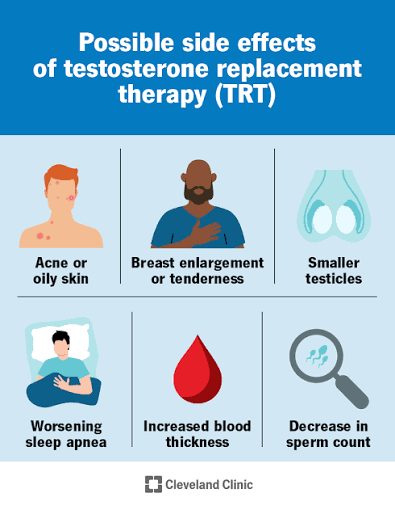
Because testosterone influences many biological processes, increasing testosterone levels beyond an individual’s appropriate range can cause unwanted effects. Possible complications may include acne, oily skin, changes in mood, increased red blood cell production, reduced sperm production, breast tissue changes, and suppression of the body’s own testosterone production. Testosterone treatment can also require monitoring of blood-related measurements and other health indicators. People with certain medical conditions may face additional concerns, making professional assessment especially important. Another issue is that products sold as testosterone powder may have uncertain purity or composition. A substance that appears inexpensive or highly concentrated may carry significant risks if its identity or quality cannot be independently established.
Testosterone Powder Is Not the Same as a Normal Supplement
One common misunderstanding is treating testosterone powder like protein powder, creatine, vitamins, or another everyday fitness supplement. Testosterone is a biologically active hormone, not simply a nutritional ingredient. Its effects can extend beyond muscle development and may influence reproductive function, blood composition, cardiovascular health, and other physiological processes. This is why purchasing hormone products based solely on bodybuilding claims or social media recommendations can be problematic. Marketing language may emphasize muscle growth or performance while giving insufficient attention to medical risks. A responsible approach starts with understanding why testosterone is being considered and whether a medically confirmed need exists.
How to Approach Testosterone Concerns Safely
Anyone concerned about testosterone levels should begin with a qualified healthcare professional rather than experimenting with an unverified powder. A clinician can review symptoms, medical history, medications, lifestyle factors, and appropriate laboratory tests. If low testosterone is confirmed, the next step is determining the possible cause and discussing evidence-based treatment options. In some situations, improving sleep, addressing excess body weight, managing certain medical conditions, reducing excessive alcohol consumption, or reviewing medications may be relevant to hormone health. These factors do not replace medical treatment when treatment is genuinely required, but they demonstrate why testosterone levels should be considered within the broader context of a person’s health.
Choosing Reliable Information Over Marketing Claims
The internet contains a large amount of information about testosterone powder, particularly in bodybuilding and fitness communities. Some discussions can be useful, but personal experiences should not be confused with medical evidence. Claims about guaranteed muscle growth, rapid physical transformation, or effortless increases in testosterone deserve careful scrutiny. Product quality is another major concern, especially when a seller does not provide credible information about manufacturing standards, ingredient verification, and regulatory status. Consumers should be cautious about products with vague labels, exaggerated promises, or no reliable information about their origin.
Final Thoughts on Testosterone Powder
Testosterone powder is a subject that deserves careful attention because testosterone is a powerful hormone with wide-ranging effects on the human body. Although testosterone has legitimate medical applications, an unidentified or unregulated powder should not automatically be considered a safe alternative to approved pharmaceutical treatment. Understanding the difference between medically supervised hormone therapy and unverified products is an important first step. Anyone considering testosterone because of symptoms, athletic goals, or concerns about hormone levels should seek qualified medical advice and appropriate testing. Taking a careful, evidence-based approach can help people understand whether testosterone treatment is actually appropriate while reducing the risks associated with improper or unverified hormone use.