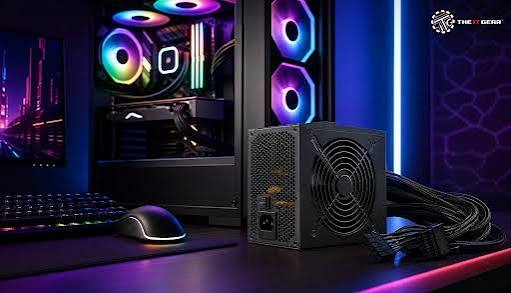

Everyone argues about graphics cards. Almost nobody argues about the box that feeds them. The power supply sits quietly at the bottom of the case, and most buyers treat it as an afterthought, picking whichever cheap model fits the budget. That’s a risky habit. A link slot gacor power supply delivers electricity to every other component in your computer, and a poor one can cause crashes, shutdowns and, in rare cases, damage. You don’t need to become an electrical engineer to choose well. This guide explains what to look for, what the labels mean and how to match a power supply to the computer you actually own.
What it does
A power supply converts the alternating current from your wall into the steady, lower voltages your components need. It has to deliver enough power, keep voltages stable and respond quickly when your graphics hardware suddenly demands more.
That last part matters in games, where power demand changes constantly. A heavy scene can double the draw within moments, and a weak supply may struggle to keep up.
How much power you need
Wattage is the headline number, but bigger isn’t automatically better. You need enough for your components, with a sensible margin. A rough approach is to add up the power ratings of your processor and graphics hardware, add a little for everything else and leave room for upgrades.
Many manufacturers publish recommended power supply sizes for their graphics cards. Online calculators exist too, though they tend to be cautious. Treat them as a starting point rather than a strict rule.
Efficiency ratings
You’ll see labels such as bronze, gold and platinum. These describe efficiency, meaning how much of the power drawn from the wall reaches your components instead of turning into heat. Higher ratings waste less energy and often run cooler and quieter.
A better rating usually costs more, so it’s a trade-off. For most slot online , a mid-level rating offers a good balance between price and performance.
Quality over numbers
Two supplies with the same wattage can differ greatly in quality. The better one uses higher-grade components, offers stable voltages and includes safety protections.
- Protection against overload, overheating and short circuits
- Reliable fans that stay quiet at normal loads
- A solid warranty, which signals the maker’s confidence
- Good reviews from independent testers
Spending a little more on a well-reviewed model is one of the best investments in a computer’s long-term health.
Cables and connectors
Check that the supply has the right connectors for your components, especially for modern graphics cards, which may need particular power cables. Modular supplies let you attach only the cables you need, which keeps the case tidy and improves airflow.
Use the cables that come with your supply, and avoid mixing cables from different models. They may look identical but wire differently.
Signs of trouble
A failing supply can produce odd symptoms.
- Random restarts or shutdowns during heavy games
- Crashes that only appear under load
- Unusual smells, buzzing or whining noises
- Components that fail to start reliably
- Visible damage or swollen parts
If you notice any of these, stop using the computer and have the supply checked. Don’t open a power supply yourself, because stored electricity can be dangerous even when it’s unplugged.
Replacing it
If you’re upgrading your graphics hardware, check whether your existing supply can handle the new load. Replacing a supply is a manageable job for confident builders, though it involves unplugging every component and plugging them back in carefully.
When in doubt, ask someone experienced or use a local repair shop. The cost of help is small compared with the cost of mistakes.
Protecting it
Keep dust out of the case, make sure vents aren’t blocked and use a surge protector. These small habits help a supply last for years. If the computer is in a place with unstable power, a protective device can save a lot of trouble.
Plan ahead when you build. Choosing a supply with a little spare capacity means you won’t need to replace it when you upgrade your graphics hardware in a couple of years. It also tends to run cooler and quieter, because it isn’t working at its limit. That small margin is cheap insurance, and it keeps your options open for the future.
Frequently asked questions
How many watts does a gaming power supply need?
It depends on your components. Check the recommended size for your graphics hardware and leave a margin for upgrades.
Is a more expensive power supply worth it?
Often, yes, because quality affects stability and safety. But you don’t need the most expensive model to be well protected.
Can a bad power supply damage my computer?
Yes, in rare cases. A poor-quality or failing unit can harm other components, which is why quality matters.
The short version
Choose a reputable power supply with enough capacity, good protections and the right connectors. A gaming power supply is invisible when it works, and very expensive when it doesn’t.