
Bridges are where engineering becomes public art. The world’s famous bridge designs are admired in photographs, but each one is also a specific answer to a specific problem: a wide river, a deep gorge, heavy ship traffic or an earthquake zone. Learning to recognise the main bridge types helps you read any crossing you travel over and understand why it was built that way. This guide walks through the major families of famous bridge designs and the simple physics that holds them up.
Suspension Bridges: Hanging the Road From Cables
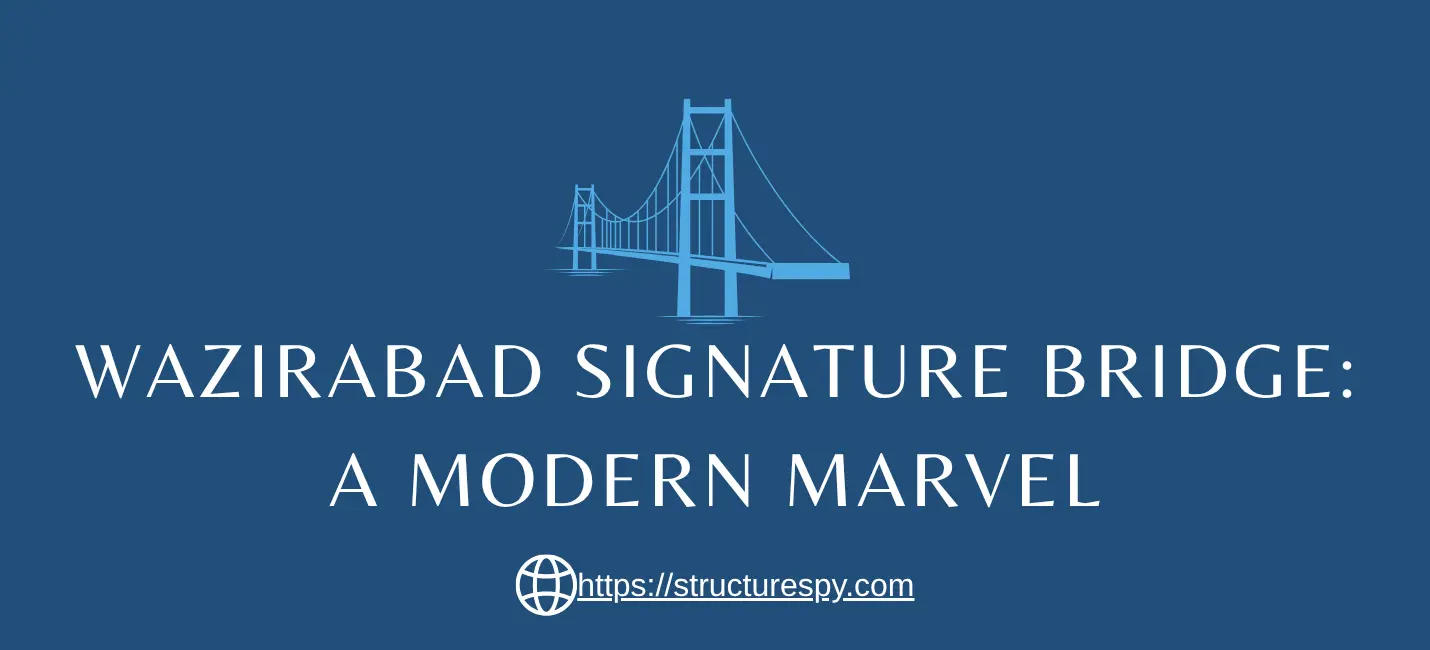
The Golden Gate in San Francisco and the Akashi Kaikyo in Japan are the classic examples of suspension design. Two tall towers hold massive main cables that sag in a curve between them, and vertical hangers suspend the road deck from those cables. The genius of the design is that the cables work purely in tension — pulling — which steel does superbly — while the towers work in compression, pushing the load into the ground.
Suspension bridges can span nearly two kilometres in a single leap, which is why they dominate lists of famous bridge designs wherever wide shipping channels must stay open. Their weakness is movement: the deck is comparatively light and flexible, so wind engineering and stiffening girders are essential parts of the design.
Cable-Stayed Bridges: The Modern Favourite
Look at almost any major bridge built in the last forty years and you will likely see a cable-stayed design, such as France’s Millau Viaduct or Hong Kong’s Stonecutters Bridge. Here, cables run directly from the towers to the deck in a fan or harp pattern. Because the cables connect straight to the road, the system is stiffer than a suspension bridge and needs no giant anchorages at each end.
Cable-stayed bridges are efficient for medium-to-long spans and can be built outward from the towers in balanced sections, which simplifies construction over water or busy roads. Their elegant, harp-like profile has made them the signature look of modern infrastructure.
Arch Bridges: Strength From a Curve
The arch is the oldest idea in bridge building — Roman engineers mastered it in stone — and it remains one of the most beautiful. An arch carries weight by pushing it outward and downward into the banks or foundations on either side. Sydney Harbour Bridge carries its deck beneath a great steel arch, while modern concrete arches in China now span distances the Romans could not have imagined.
Materials make the difference across the centuries. Today’s arches rely on high-strength steel and precisely fabricated components; understanding how industrial metals are produced and reused, as covered in this guide to tungsten and other industrial materials in manufacturing, gives a sense of the supply chain behind every tonne of structural steel.
Beam, Truss and Cantilever Bridges
Not all famous bridge designs are graceful. Beam bridges — essentially a horizontal deck on piers — handle most everyday crossings because they are cheap and quick to build, though limited in span. Truss bridges add a framework of triangles above or below the deck; triangles cannot deform without changing the length of a side, which makes them remarkably rigid for their weight. Scotland’s Forth Bridge, a cantilever truss, has carried trains since 1890 and still looks like a machine built to outlast empires.
Cantilever designs build outward from piers in balanced arms, meeting in the middle. They were the longest spans of their era and remain vital for rail crossings where stiffness matters more than elegance.
Designing for People, Not Just Vehicles
Modern bridge design increasingly treats the crossing as a place, not just a route. Wide pedestrian decks, cycle lanes, viewing platforms and lighting schemes turn infrastructure into a destination. Some crossings even host events and entertainment spaces at their approaches, reflecting how public structures now compete for attention in a world of digital leisure — a shift visible in the way classic digital entertainment and physical attractions are increasingly planned side by side in modern developments.
Keeping Bridges Alive: Inspection and Maintenance
Designing a bridge is only the beginning of its story. A major crossing is expected to serve for a century or more, and that lifespan is earned through constant care. Steel must be repainted on cycles measured in decades — the Forth Bridge’s painting programme became so famous that “painting the Forth Bridge” entered the language as a phrase for a never-ending task. Modern coatings last longer, but inspection remains relentless: engineers examine cables strand by strand, check bearings and expansion joints, and monitor for the tiny cracks that fatigue can open in heavily loaded steel.
Technology now helps. Sensors embedded in new bridges report strain, vibration, temperature and corrosion in real time, so engineers can spot unusual behaviour long before it becomes visible damage. Suspension cables can be dehumidified from inside to slow corrosion, and individual cable stays on modern bridges are designed to be replaced one at a time without closing the road. Even the oldest crossings benefit: drones now inspect towers and cables that once required rope-access teams and lane closures.
This hidden maintenance culture explains why so many crossings from the nineteenth century still carry modern traffic. A bridge rarely fails because its design was poor; it deteriorates when inspection and upkeep are neglected. The lesson travels in both directions — the famous structures endure precisely because generations of engineers treated maintenance as part of the design, not an afterthought.
One more habit sharpens your eye: compare two crossings side by side. Stand a suspension bridge next to a cable-stayed one in your mind and ask why the engineers chose differently — span length, budget, ground conditions and the construction method available at the time. That comparison turns passive admiration into real understanding, and it works for every era, from Roman stone arches to the record-breaking spans rising today. Bridges reward a second look, and the second look is where appreciation starts.
Conclusion
The famous bridge designs endure because each one matches its form perfectly to its site and purpose: suspension for the widest spans, cable-stayed for stiff modern crossings, arches for beauty and compressive strength, trusses and cantilevers for heavy rail loads. Next time you cross a bridge, look at where the cables run and how the deck is held. You will find you can read the engineer’s reasoning directly from the structure itself — and the journey becomes a little more interesting.