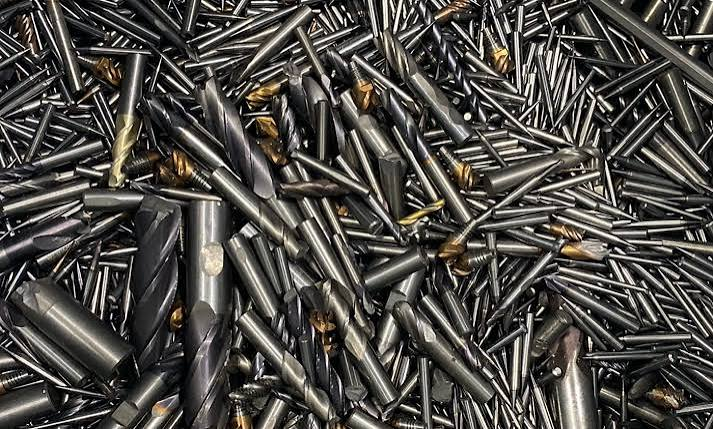

Industrial businesses face valuable metal waste created during manufacturing, machining and equipment repairs. These production waste materials are not the scrap you’re used to seeing. Globe Metal is a specialty metals recycling company that has served the industrial sector for years, including working with tungsten scrap, molybdenum scrap and other industrial metals, to identify ways to earn revenue from the recoverable metals.
Why Recycle Industrial Metal Scrap?
Industrial metal scrap can consist of metals which may still have value to be recycled.
This can provide manufacturers with extra income by selling the correct metal scrap. It also assists in reducing the waste volume sent to disposal facilities. Extracted metals can be returned to your business for reuse and make your processes more efficient.
Different types of scrap metal have different prices. Factor in the type of material, its condition, what contamination may be present, and what it looks like to give you an idea of the value your scrap has.
What To Know About Recycling Molybdenum Scrap?
Molybdenum is used in high strength, high temperature and high performance applications. It can be used in specialty alloys, industrial equipment and manufacturing components.
Molybdenum scrap can be produced during manufacturing from trimming, machining, equipment replacement and processing of alloys. Depending on the material, it may be possible to recycle the following:
- Molybdenum solid articles, plates, machining waste, chips, powder, and some alloy scrap.
Make sure that if you wish to sell the molybdenum scrap it is an alloy or pure molybdenum. Inform the company if you notice any oils, coatings, moisture or any other substances.
What Tungsten Scrap Can Be Sold?
Tungsten is a very dense, hard and high temperature resistant metal. It can be used in a variety of industrial applications such as tooling, cutting and high performance components.
During manufacturing processes, tungsten can be created as waste from machining, tool wear and replacement. Depending on composition it may be possible to recycle.
Examples of Tungsten Scrap That May Be Recycled:
- Worn or broken tungsten carbide tools and inserts.
- Tungsten machining waste.
- Grinding sludge and tungsten powder.
- Trimmed tungsten and rejected components.
- Alloys and specialty materials containing tungsten.
The composition of these materials may vary and will affect the value you can get from selling them. Provide as much detail as possible regarding the material you have. Ask the recycler what materials they can take. Separating different types of materials will help.
How To Prepare Your Scrap For Selling?
Getting your scrap ready can make the evaluation and collection process easier. Before getting a quotation consider:
- What type of scrap do you have? Note down what type of metal, alloy and what composition it has.
- How much do you have? Note down the approximate weight and number of containers/packages.
- Separate metals and alloys. If possible separate different types of materials.
- What type of condition is it in? Is it in solid form, chips, powder, sludge or a mixture?
- Do you have any certificates, testing or production documents? If so note these down.
- Tell them about any safety factors. Let them know about any contaminants, hazardous substances, and storage needs.
The more information you provide, the faster the recycler can process the material. They will be able to tell you what extra information or samples may be needed.
Choosing A Metal Scrap Recycler
As you look for recyclers, pay attention to their experience with the specific type of metal you’re bringing in, their evaluation process, payment methods, transportation, and safe handling.
Learn how they will be attempting to measure the scrap, if they’ll be capable of picking it up and what documentation they will give you. If you’re making scrap on a regular basis it could be worth establishing a relationship with a scrap recycling professional.
Globe Metal specializes in metal recycling, including tungsten and molybdenum. Give us a call to talk about your type of scrap, how much you have, and your collection needs.
Conclusion
By selling your industrial metal scrap you can increase the profit you can make off your manufacturing waste. Know your scrap: find out what kind of metal it is, what its composition is and how much you’ve got. Give a recycler full details.
Wherever your shop scrap has come from – tungsten tooling, molybdenum alloy machining, or something else – the best way to ensure a smooth selling process is to sell it to a reliable metal recycling partner. Knowing your material, pricing, shipping, and handling needs can go a long way to ensuring a smooth scrap process.