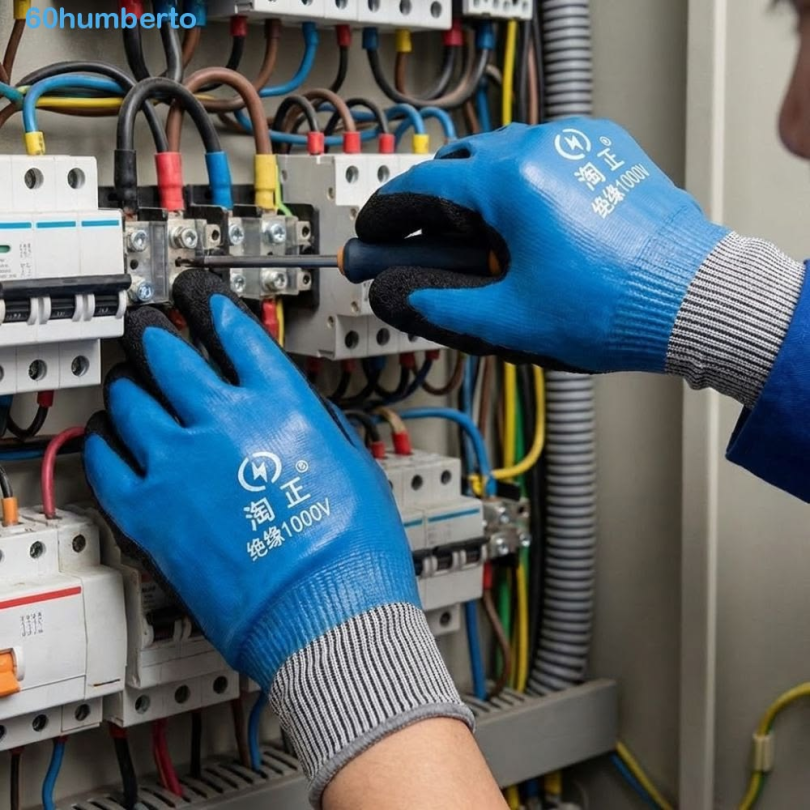

Electrical work is one of the most dangerous jobs in any workplace. Electricians, maintenance workers, engineers, and industrial technicians often work near live wires, panels, machines, circuits, and electrical tools. Without proper protection, even a small mistake can cause electric shock, burns, hand injuries, or serious accidents. This is why safety gloves for electrical work are an essential part of personal protective equipment.
Hands are directly involved in almost every electrical task. Workers use their hands to hold wires, repair panels, operate tools, check machines, and handle electrical parts. If hands are not protected, the risk of injury becomes very high. Electrical safety gloves help create a protective barrier between the worker and electrical hazards.
What Are Safety Gloves for Electrical Work?
Safety gloves for electrical work are special protective gloves designed to protect hands from electrical shock, burns, cuts, and other hazards. These gloves are made from insulating materials such as rubber, leather, or other protective compounds. Their main purpose is to stop or reduce the flow of electricity through the body.
Electrical gloves are different from normal work gloves. Regular gloves may protect against dirt, minor cuts, or rough surfaces, but they do not provide proper protection from electric current. For electrical jobs, workers need gloves that are designed and tested for electrical safety.
Why Electrical Safety Gloves Are Important
Electrical safety gloves are important because they help prevent serious injuries. Electric current can pass through the body if a worker touches a live wire or faulty electrical part. This can cause burns, muscle damage, heart problems, or life-threatening accidents.
Using proper electrical gloves reduces the chance of direct contact with live current. They also protect hands from sparks, heat, sharp cable edges, and mechanical damage. For electricians and industrial workers, wearing the right gloves is not optional; it is a basic safety requirement.
These gloves also improve worker confidence. When workers know their hands are protected, they can focus better on the task and follow safety procedures more effectively.
Types of Safety Gloves for Electrical Work
1. Rubber Insulating Gloves
Rubber insulating gloves are the most common gloves used for electrical protection. They are designed to resist electric current and protect workers from shock. These gloves are often used when working near live electrical parts, control panels, and power systems.
Rubber gloves should be selected according to the voltage level of the job. They must also be inspected before use to make sure there are no holes, cracks, or damage.
2. Leather Protector Gloves
Leather protector gloves are usually worn over rubber insulating gloves. Their purpose is to protect the rubber gloves from cuts, punctures, abrasion, and mechanical damage.
Rubber gloves provide electrical insulation, while leather gloves provide physical protection. Together, they offer better safety for electrical workers.
3. Cut-Resistant Electrical Gloves
Cut-resistant electrical gloves are useful when workers handle wires, cables, tools, or sharp electrical parts. These gloves help protect against cuts and scratches while also offering comfort and grip.
However, workers should make sure the gloves are suitable for electrical tasks. Not all cut-resistant gloves provide electrical insulation.
4. Arc Flash Gloves
Arc flash gloves are used where there is a risk of arc flash or electrical explosion. An arc flash can produce extreme heat, bright light, and pressure. These gloves are designed to protect hands from heat and flame exposure.
Arc flash gloves are commonly used in industrial electrical maintenance, switchgear work, and high-risk electrical environments.
5. Anti-Static Gloves
Anti-static gloves are used when handling sensitive electronic components. They help reduce static electricity that can damage electronic parts. These gloves are common in electronics manufacturing, computer repair, and assembly work.
Anti-static gloves are not the same as high-voltage electrical gloves. They are mainly used for protecting electronic devices, not for protecting workers from live electrical current.
Key Features of Good Electrical Safety Gloves
Good safety gloves for electrical work should provide strong insulation, proper grip, comfort, and durability. They should fit the worker’s hand properly because loose gloves can make handling tools difficult, while tight gloves can reduce comfort.
The gloves should also be flexible enough for detailed work. Electricians often need to handle small wires, screws, and tools, so gloves should not make the job difficult. High-quality gloves should resist tearing, cracking, and punctures.
Another important feature is voltage rating. Electrical gloves should match the voltage level of the work. Using gloves with the wrong rating can be dangerous.
How to Choose Safety Gloves for Electrical Work
Choosing the right electrical gloves depends on the type of job and the level of electrical risk. Before selecting gloves, workers should identify the voltage level, type of equipment, work environment, and possible hazards.
For live electrical work, rubber insulating gloves are usually required. For rough work areas, leather protector gloves should be worn over insulating gloves. For arc flash risk, arc-rated gloves are needed.
Workers should never use damaged, wet, or expired gloves. Gloves should also be purchased from reliable safety equipment suppliers and should meet recognized safety standards.
How to Inspect Electrical Safety Gloves
Electrical gloves should be inspected before every use. Workers should check for holes, cuts, cracks, swelling, stiffness, or signs of chemical damage. Even a small hole can reduce protection and increase the risk of electric shock.
A simple air test can help find leaks in rubber gloves. The glove is filled with air and checked for escaping air or visible damage. If any defect is found, the glove should not be used.
Gloves should also be tested and maintained according to workplace safety requirements. Regular inspection helps ensure that gloves remain safe and effective.
Proper Care and Storage
Safety gloves for electrical work should be stored in a clean, dry, and cool place. They should not be folded, crushed, exposed to sunlight, or kept near sharp tools, oil, chemicals, or heat.
After use, gloves should be cleaned if needed and allowed to dry properly. Rubber insulating gloves should be stored in a protective bag to prevent damage. Proper care increases the life of the gloves and keeps workers protected.
Common Mistakes to Avoid
One common mistake is using normal gloves for electrical work. Regular gloves cannot protect against electric shock. Another mistake is using damaged gloves without inspection. Workers should never ignore cracks, cuts, or holes.
Using gloves without checking the voltage rating is also dangerous. Gloves must match the electrical hazard level. Workers should also avoid wearing wet gloves because moisture can increase the risk of electric shock.
Conclusion
Safety gloves for electrical work are essential for protecting electricians and industrial workers from electric shock, burns, cuts, and other hand injuries. Different types of gloves, including rubber insulating gloves, leather protector gloves, arc flash gloves, and anti-static gloves, are used for different electrical tasks.
The right gloves should be selected according to the job, voltage level, and workplace hazards. Regular inspection, proper storage, and correct use are also important for safety. In any electrical workplace, protecting hands should always be a top priority.
FAQs
What gloves are best for electrical work?
Rubber insulating gloves are best for electrical work because they provide protection against electric shock. Leather protector gloves are often worn over them for extra safety.
Can normal gloves protect from electricity?
No, normal gloves do not provide proper electrical protection. Electrical work requires specially designed insulating gloves.
Why are rubber gloves used by electricians?
Rubber gloves are used because rubber is an insulating material that helps reduce the flow of electric current through the body.
Should electrical gloves be inspected before use?
Yes, electrical gloves should be inspected before every use for holes, cuts, cracks, or other damage.
Are anti-static gloves safe for live electrical work?
Anti-static gloves are mainly used for handling electronic components. They are not suitable for high-voltage or live electrical work unless specifically rated for that purpose.