
Heavy debris creates different rental challenges than an ordinary cleanout. Concrete and roofing shingles add weight quickly, so choosing a dumpster based only on volume can cause problems. Specialty containers are designed around the material being removed, helping contractors and homeowners plan loading, placement, and disposal more accurately. These questions explain how concrete and roofing dumpster rentals differ and what to consider before delivery.
Why Does Heavy Debris Need Special Planning?
Concrete and roofing debris are dense. A container can reach a practical hauling limit before it appears full.
General junk is often estimated mainly by volume, while heavy construction debris requires closer attention to material type, weight, and disposal rules.
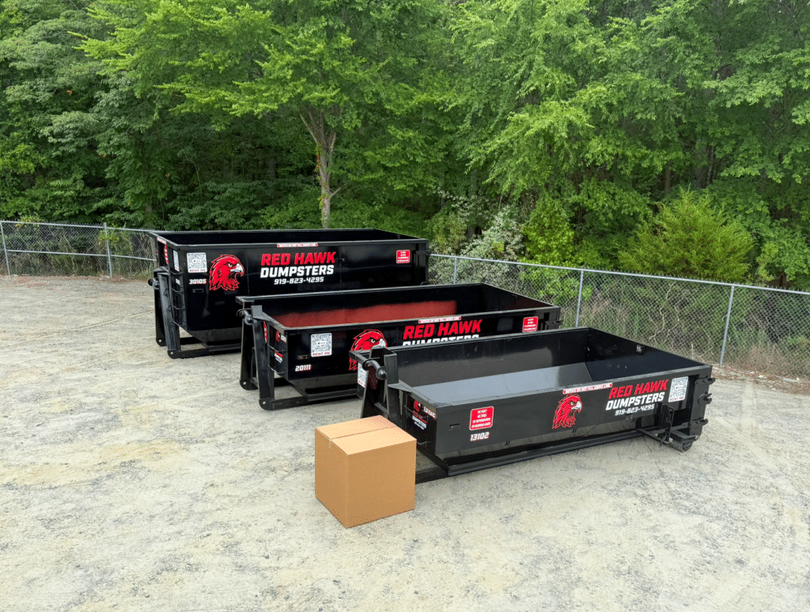
Red Hawk Dumpsters offers specialty options for clean concrete and roofing tear-offs in the Raleigh-Durham Triangle. These containers reflect different handling requirements.
Describe the project honestly before booking. A driveway demolition and roof replacement may both produce heavy debris, but they should not automatically use the same container.
What Is Different About a Concrete Dumpster?
Red Hawk lists a dedicated 7-yard container for clean concrete. Its dimensions are approximately 14 feet long, 7 feet 6 inches wide, and 2 feet high. The lower profile suits dense material by limiting the volume that can be loaded at once.
A concrete dumpster is intended for clean, uncontaminated concrete rather than household trash or mixed construction waste. Keeping the load separated matters because dedicated concrete recycling and disposal processes depend on material purity.
Before ordering, identify whether the project will produce only concrete or a mixture of concrete, wood, drywall, packaging, and other demolition debris. Mixed projects may require a separate standard roll-off for material that does not belong in the specialty container.
How Is a Roofing Dumpster Different?
Roofing projects have their own weight problem. Asphalt shingles are compact and dense, and multiple roof layers can increase the load quickly even when the dumpster still has visible space.
Red Hawk lists a dedicated 10-yard roofing shingle container measuring about 14 feet long, 7.5 feet wide, and 3 feet 3 inches high, with 6,000 pounds included in the rental terms.
A Roofing dumpster is designed around roofing tear-offs rather than general household cleanup. Renters should confirm which roofing materials are accepted before loading and keep unrelated construction debris out of a specialty load.
The compact container can also be easier to position near a residential work area than a much larger roll-off, provided the site has safe truck access.
Where Should a Specialty Dumpster Be Placed?
Placement should be planned before delivery. The container needs a stable location, and the truck needs enough room to approach, set down the box, and return for pickup.
Check for parked vehicles, low branches, overhead wires, narrow driveways, gates, slopes, and equipment that could block access. For roofing work, positioning the dumpster near the work area can reduce carrying, but it should not interfere with ladders, entrances, or crew movement.
Concrete projects deserve the same attention. Heavy loading can make later repositioning impractical, so the original placement should work for the entire job.
What Should Be Checked Before Pickup?
Before pickup, confirm that only approved material is in the specialty container and that nothing extends beyond the allowed fill area.
Clear vehicles, tools, and job-site materials from the truck’s access path. Also review the load before the driver arrives. Fixing a material or access issue early is easier than discovering it when the truck is already on site.
Choose the Dumpster Around the Material, Not Just the Project Size
Concrete removal and roofing tear-offs show why dumpster selection should start with the waste itself. Both projects can create heavy debris, but the containers, loading expectations, and disposal requirements are different.
Identify the material, estimate the amount, prepare a workable placement area, and confirm what belongs in the container before loading begins.
That planning keeps specialty dumpsters doing what they are meant to do: simplify heavy-debris removal without creating unnecessary sorting, access, or hauling problems at the end of the job.