
Hardscapes can completely change how an outdoor space looks and functions. A patio can create room for dining and entertaining, a walkway can improve movement through the yard, and a retaining wall can help manage grade changes while adding structure to the landscape.
Because these features are built to last, planning matters. Material choice, drainage, site preparation, scale, and long-term maintenance all affect how well a hardscape performs after installation.
Homeowners considering a larger outdoor improvement may benefit from working with an Outdoor living Contractor who can look at the project as part of the entire landscape rather than as a stand-alone feature.
The questions below cover some of the most important things to understand before beginning a hardscape project.
What Counts as a Hardscape in an Outdoor Living Space?
Hardscapes are the non-living, built elements of a landscape. They include patios, walkways, retaining walls, steps, seating walls, edging, fire pit areas, outdoor kitchens, gravel areas, and other structural features made from materials such as concrete, pavers, stone, block, brick, or wood.
These features usually provide function as well as appearance. A patio creates a stable surface for furniture and gatherings. A path directs foot traffic and can keep people off muddy or heavily worn lawn areas. Retaining walls can help manage slopes and create usable planting zones.
Hardscapes also help define the shape of an outdoor space. Without them, a yard can feel open but undefined. With a well-planned layout, separate areas for dining, relaxing, gardening, and circulation can feel connected without blending into one large space.
The best hardscape designs usually begin with how the homeowner wants to use the property. Choosing features only because they look attractive can lead to spaces that feel crowded, undersized, or disconnected from the way people actually live.
How Do You Choose the Right Materials for a Hardscape Project?
Material selection affects durability, maintenance, cost, appearance, and how well the finished project fits the home.
Pavers are popular for patios and walkways because they come in many shapes, colors, and patterns. Natural stone can create a more organic or high-end look, while concrete can provide a clean and practical surface. Segmental block is commonly used for retaining walls because it is designed for structural applications when installed correctly.
The right choice depends on more than style. Consider how much traffic the area will receive, whether furniture will sit on the surface, how much maintenance you are comfortable with, and how the material performs in the local climate.
Color and texture should also relate to the house. Pulling tones from the exterior, trim, roof, or nearby landscape can make a new patio or wall feel like it belongs there.
Maintenance is another factor. Some surfaces may require sealing, joint maintenance, cleaning, or occasional repairs. A material that looks beautiful but demands more care than you want may not be the best long-term choice.
Why Are Drainage and Base Preparation So Important?
Much of a successful hardscape project is hidden underground.
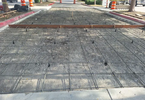
Patios, walkways, retaining walls, and steps need a stable base. Proper excavation, compaction, and drainage help reduce settling, movement, and uneven surfaces over time. Skipping these steps can create problems even when the visible materials are high quality.
Water management is especially important. Hardscape surfaces change how rainwater moves across a property. A new patio or walkway may redirect runoff toward a lawn, planting bed, neighboring area, or foundation if the slope is not planned carefully.
Good design considers where water comes from and where it should go. Downspouts, low spots, natural slopes, soil conditions, and existing drainage patterns should all be evaluated before construction.
Retaining walls require even more attention because they hold back soil and must manage water pressure behind the wall. Drainage stone, proper backfill, and other structural details may be necessary depending on the design.
Working with an Outdoor living Contractor can help homeowners account for grading, drainage, and construction details before the finished surface is installed.
How Should Hardscapes Fit With the Rest of the Landscape?
The strongest outdoor designs do not treat hardscapes and planting as separate worlds.
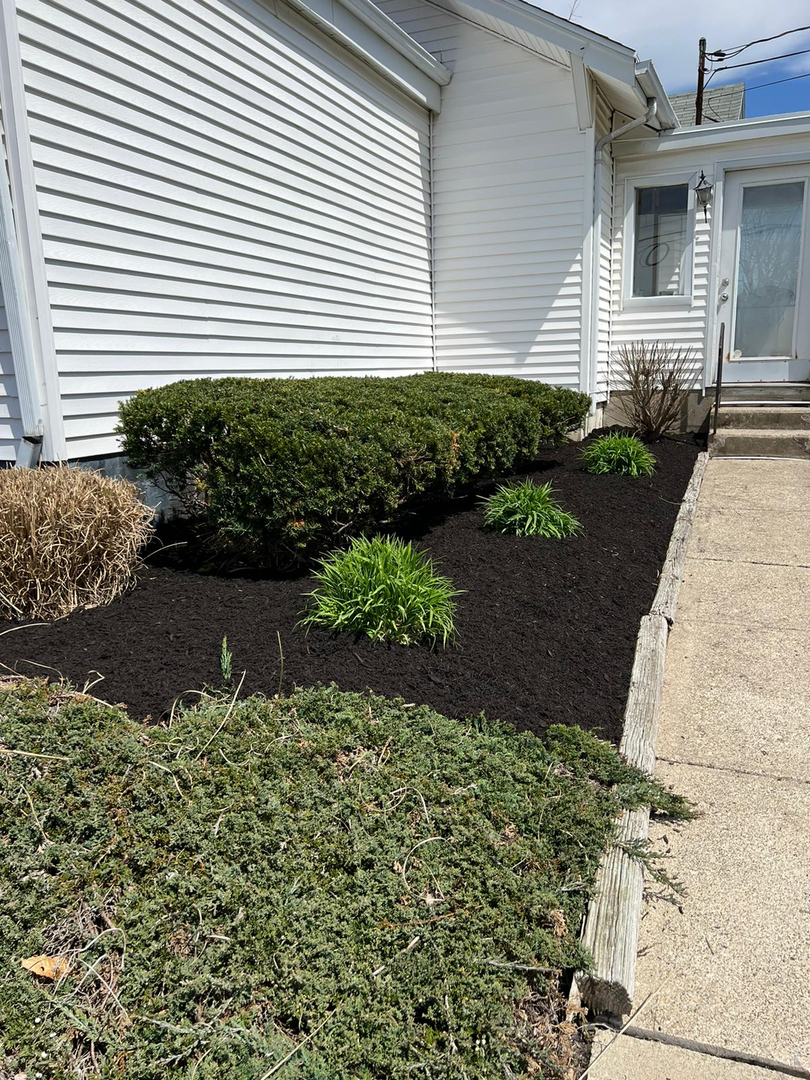
Hard surfaces provide structure, while trees, shrubs, grasses, and flowers soften edges and add color, shade, texture, and seasonal interest. When both are planned together, the landscape tends to feel more natural and complete.
Scale matters. A large patio can overwhelm a small yard, while a tiny patio may feel cramped once furniture is added. Walkways should be wide enough for comfortable movement, and steps should feel proportional to the grade change they are solving.
Think about sightlines from inside the home too. A patio, wall, or focal point may be visible from a kitchen, living room, or bedroom. Good placement can improve views from both inside and outside.
Lighting and irrigation should also be considered early. It is easier to plan conduit, low-voltage lighting, or irrigation changes before hardscape construction is finished than to retrofit them later.
Future growth matters as well. Trees and shrubs should have enough room to mature without crowding walls, paths, or patios.
What Maintenance Do Hardscapes Need Over Time?
Hardscapes are durable, but they are not completely maintenance-free.
Routine care may include sweeping debris, removing weeds from joints, washing surfaces, checking drainage areas, and watching for settling or movement. Some paver installations may need joint sand refreshed over time, while certain stone or concrete surfaces may benefit from periodic sealing depending on the material and desired appearance.
Seasonal changes can also reveal small issues. Water pooling where it did not before, loose edging, or a shifting paver may be easier to correct early than after the problem spreads.
Retaining walls should be observed for bulging, leaning, or drainage problems. Those signs can indicate pressure or movement that deserves attention.
Homeowners should also avoid assuming that every cleaning method is safe for every material. Harsh chemicals or aggressive pressure washing can damage some surfaces or remove joint material.
A simple maintenance routine can help preserve appearance and catch small problems before they become larger repairs.
What Should You Decide Before Construction Begins?
Before work starts, homeowners should have a clear idea of the project’s purpose, size, materials, and relationship to the rest of the property.
Ask how the space will be used. Will the patio need room for a dining table, grill, and seating? Should a walkway connect multiple entrances? Is a retaining wall solving a slope problem, creating planting space, or both?
Measure furniture and think about circulation. Outdoor spaces often feel larger when empty than they do after tables, chairs, planters, and grills are added.
It is also helpful to think about future projects. If you may add lighting, irrigation, a pergola, an outdoor kitchen, or additional planting later, planning for those possibilities now can prevent unnecessary demolition or rework.
Access for construction equipment and material delivery should be considered as well. Narrow gates, steep slopes, and limited staging areas can affect how a project is built.
Budget planning should include more than the visible finish materials. Excavation, base preparation, drainage work, access challenges, grading changes, and disposal can all affect the scope of a hardscape build. Setting priorities before construction helps homeowners decide where to invest most heavily and which features could be phased later. A clear plan makes it easier to balance appearance, function, durability, and the realities of the property.
The more decisions that are resolved before construction begins, the easier it is to keep the finished design cohesive.
Build Hardscapes Around Function, Durability, and Long-Term Use
A successful hardscape project should do more than look attractive on installation day. It should improve how the property functions, handle water properly, fit the scale of the yard, and remain practical to maintain.
The best results usually come from planning the entire outdoor environment instead of focusing on one feature in isolation. Patios, walls, walkways, planting beds, drainage, lighting, and irrigation all influence one another.
Homeowners who start with clear goals can make better decisions about materials, dimensions, placement, and future additions. That planning also helps reduce the chance of discovering after construction that a patio is too small, a walkway feels awkward, or runoff is moving in the wrong direction.
Hardscaping is ultimately about creating structure for outdoor living. When the design is based on how the space will actually be used and the construction accounts for what happens below the surface, the result can be more comfortable, durable, and useful for years to come.