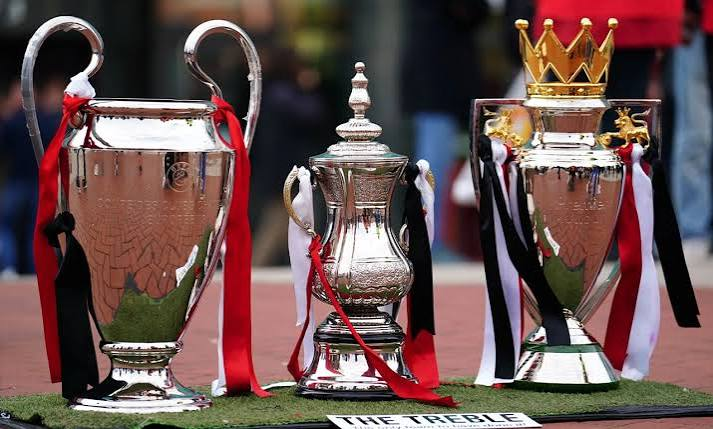

Cup competitions during the 2012/13 season did more than add drama to English football; they also reshaped league form through fixture congestion, squad rotation, and shifting priorities, all of which mattered directly for betting decisions. When you understand these cause–effect chains, you can read Premier League fixtures not as isolated events but as moments inside a crowded calendar where cup commitments change performance risk and market value.
Why Cup Runs Are a Reasonable Focus for League Bettors
Cup matches influence league form because they insert extra high‑intensity games into already busy schedules, increasing physical and mental fatigue. Knockout competitions like the FA Cup and League Cup carry all‑or‑nothing stakes that drive coaches to field strong lineups and players to push harder, even when these matches sit close to Premier League fixtures. The outcome is predictable: congested weeks force clubs to choose between protecting league consistency and chasing cup glory, and bettors who ignore those choices misread the true probability of performance dips or rotations.
How 2012/13 Cup Stories Interacted with League Outcomes
The 2012/13 season provides clear examples of cup runs intersecting with league form. Swansea City won the League Cup and still finished ninth in the Premier League under Michael Laudrup, showing that a well‑managed cup campaign can coexist with respectable league performance. In contrast, Wigan Athletic produced a shock FA Cup win over Manchester City yet were relegated, illustrating how cup focus and schedule strain can coexist with deteriorating league results across the same months.
These contrasting cases highlight an important betting insight: the impact of cups is not uniform across clubs but depends on squad depth, tactical flexibility, and strategic priorities. Bettors who treated all cup‑involved teams the same—either blindly trusting momentum or automatically fading them—missed the nuance that some clubs convert cup success into confidence while others pay for it with league fatigue and distraction.
Mechanisms: Fixture Congestion, Fatigue, and Rotation
Research on match congestion shows that compressed schedules can change team strengths in subtle ways. Simulation work across English and Spanish leagues finds that offensive strength tends to dip under congestion, while defensive metrics may improve slightly in home games, suggesting teams conserve energy and adopt more cautious structures. At the same time, player workload studies around crowded calendars report higher physical and mental fatigue and increased injury risk, especially when preparation and recovery windows shrink.
For bettors, the mechanism is two‑fold. First, tightly packed weeks after cup fixtures often see rotated lineups or changes in tactical approach, with some clubs lowering pressing intensity or simplifying attacking patterns. Second, the specific opponent faced under congestion matters; facing a strong Premier League side immediately after a draining cup tie can magnify performance drops more than playing a weaker team would. Ignoring these contextual details leads to mispriced assumptions about form, because league tables alone do not capture temporary schedule-related swings.
When Cup Success Strengthens League Form Instead of Weakening It
Cup runs do not always undermine league performance; under certain conditions, they can reinforce form by boosting confidence and sharpening competitive edge. When a club has adequate squad depth and uses rotation intelligently—resting core players in early cup rounds and reintroducing them later—knockout victories can build momentum without overstretching resources. Swansea’s League Cup win alongside a top‑half Premier League finish exemplifies how a well‑managed cup campaign can coexist with stable league results.
In betting terms, this pattern appears when a team’s cup performance aligns with clear tactical coherence and when post‑cup league matches still feature near‑first-choice lineups. Under these conditions, winning cup ties may even signal improved team resilience, making some favorites more reliable against mid‑table or lower‑ranked opponents in subsequent league fixtures. The key is verifying that the club is not sacrificing league focus and that underlying metrics—chance creation, defensive organization—remain strong rather than being masked by a few dramatic cup results.
When Cup Commitments Undermine League Betting Value
The opposite effect is common when squads are thin or when cup survival becomes a higher priority than steady league performance, especially for clubs near the bottom or in mid‑table safety zones. Wigan’s FA Cup triumph paired with relegation reflects how the emotional and physical costs of a deep cup run can coincide with dropping league intensity or compromised selection in critical fixtures. Teams facing congested schedules may rest key players in league games around decisive cup ties, or subconsciously treat certain league fixtures as “manageable sacrifices,” reducing reliability for handicaps or favorites markets.
Cup-related hammerings or humiliations also carry psychological weight. Analysis of cup vs league dynamics notes that poor cup results often exert a slightly negative effect on immediate league form, particularly when heavy away travel or emotional disappointment is involved. For bettors, this means caution is warranted when backing a side in a league game right after a draining away cup defeat, because motivation, confidence, and physical condition may collectively dip beyond what raw league form suggests.
Using One Betting Platform to Systematically Track Cup–League Interactions – UFABET
Turning these insights into repeatable betting decisions requires consistent tracking of schedules, lineups, and outcomes rather than relying on intuition alone. When a bettor organizes their wagers through a specific betting platform such as ufa168, they can align Premier League bets with a calendar view of cup fixtures, logging stake, odds, and result data around congested periods while noting which teams consistently handle dual commitments well. Over time, this structured record reveals patterns—for example, clubs that underperform league handicaps after midweek cup ties, or sides whose totals behave differently in the immediate aftermath of knockout games—allowing adjustments in staking and market choice based on observed cause–effect rather than isolated anecdotes.
Comparing Cup and League Match Dynamics for Bettors
Cup competitions differ systematically from league matches, and these differences feed directly into the way form translates across contexts. Knockout ties produce higher stakes per game, which can trigger more aggressive or more conservative tactics depending on the manager’s risk tolerance. Leagues, by contrast, reward consistency over 38 rounds, making long‑term form and squad management more critical than one‑off emotional surges.
Conditional Scenarios: When Cup Form Misleads League Bettors
In one scenario, a club goes on an impressive cup run against weaker or rotated opponents, creating a perception of strong form that does not fully reflect their ability to beat full‑strength Premier League sides under league conditions. In another, a team suffers a narrow cup exit in a high‑quality match but shows stable metrics, indicating that their league performance is unlikely to drop despite the emotional disappointment. Bettors who differentiate these cases—examining opposition strength, rotation, and underlying statistics—avoid overreacting to headline cup results when pricing subsequent league games.
| Aspect | Cup competitions | League matches |
| Structure | Knockout, single or two legs. | Long season, 38 rounds. |
| Tactical behavior | High variance; conservative or very aggressive. | More balanced; emphasis on consistency. |
| Impact on fatigue | Extra matches, travel, emotional load. | Baseline workload; congestion when cups added. |
| Form translation | Wins and losses can misrepresent league strength. | Form more stable but sensitive to schedule. |
| Betting implication | Upsets frequent; underdogs more viable. | Favorites steadier; cup impact must be adjusted. |
Interpreting this table, you can see that cup games provide noisy signals that must be filtered before being applied to league bets; simply “following momentum” from cups into Premier League fixtures ignores structural differences in pressure and objectives. Instead, bettors should treat cup outcomes as one variable within a broader context that includes congestion, rotation, opponent strength, and longer-form trends.
Practical Checklist: Reading Cup Impact Before a League Bet
Because cup–league interactions are multi‑factor, a short checklist helps ensure you capture the main causes before deciding on a bet. The goal is to shift from narrative reactions—“they just won a cup tie, so they’re hot”—to structured evaluation of how that match truly affects the upcoming league fixture.
Before a league bet involving a team recently active in cups, consider:
- Match timing: Was the cup game within three days, and was there extra time or long travel involved?
- Squad usage: Did the manager rotate heavily, or did core starters play most minutes?
- Psychological outcome: Was the result a morale‑boosting upset, a heavy defeat, or an expected outcome?
- Table context: Is the club fighting for title, Europe, or survival, or sitting mid‑table with flexible priorities?
- Historical response: Has this team previously shown strong or weak league performances after cup ties?
Thinking through these points systematically shifts your betting angle from surface form to underlying structural conditions. Over many matchweeks, consistently applying this checklist can reveal patterns about specific clubs and coaches—some juggling dual fronts effectively, others consistently sacrificing league reliability during cup runs.
Connecting Historical Cup Impact to Modern casino online Environments
Even though the 2012/13 calendar is fixed, its cup‑league interactions remain instructive for bettors who now operate through modern digital interfaces. Today, many wagers are placed via a casino online website where live markets, in‑play options, and dense fixture data are readily available, but the pressure to react quickly can amplify misreadings of schedule and fatigue. By first studying how cup runs influenced Premier League form in 2012/13—identifying when fatigue, rotation, or psychological swings changed league outcomes—bettors can build habits of checking congestion and competition context before firing bets in contemporary environments, preventing digital speed from undermining analytical depth.
Summary
For people betting on the 2012/13 Premier League, cup competitions mattered because they altered schedules, lineups, and emotional states in ways that league tables alone could not show. Swansea’s balanced League Cup success and Wigan’s FA Cup win alongside relegation illustrate how different clubs convert knockout campaigns into either reinforced confidence or compromised league form depending on depth and priorities. By framing cup results through fixture congestion, rotation patterns, psychological impact, and historical response—and then tracking these factors within organized betting records and modern online environments—bettors can move from reactive narrative to structured pre‑match analysis that treats cup influence as a measurable variable rather than a vague story.